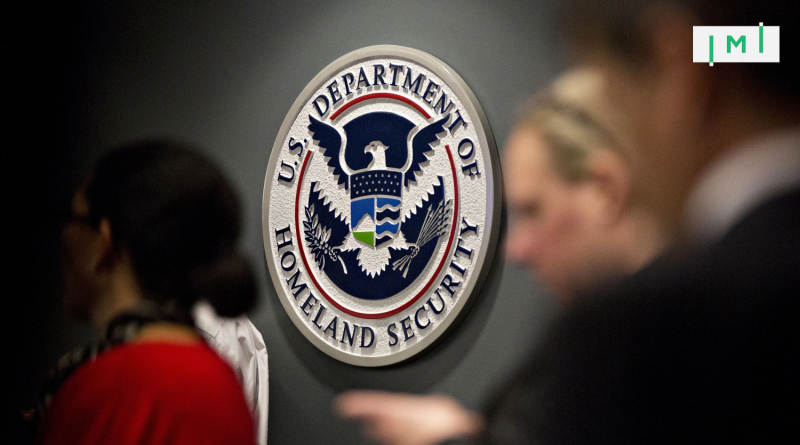
The Department of Homeland Security (DHS) has announced a sweeping proposal to reduce costs under the EB-5 Immigrant Investor Program. The move marks one of the most significant EB-5 fee cuts in recent years, aiming to correct what many industry experts describe as “overdue adjustments.”
If approved, these changes would substantially reduce financial burdens for regional centers and investors. DHS plans to publish the draft rule for public comment, beginning October 23, before moving toward final implementation.
DHS Details Major EB-5 Fee Slash Across Investor and Regional Center Filings
The Department of Homeland Security (DHS) has released a proposal outlining major EB-5 fee cuts. The plan aims to align application costs with the requirements of the EB-5 Reform and Integrity Act (RIA). It represents a broader effort to make the EB-5 Immigrant Investor Program more accessible and transparent.
Under the proposed structure, filing fees will be reduced significantly. The decreases range from 14 percent to 61 percent, depending on the type of form and applicant category. Both investors and regional centers stand to benefit from these changes once the new fee schedule takes effect.
1. Proposed Fee Reductions for Investors
For EB-5 investors, DHS has proposed several meaningful reductions:
-
Form I-526 and I-526E (initial filings): The fee would drop from $11,160 to $9,625, representing a 14 percent reduction.
-
Form I-526E (amendments): This would decrease from $11,160 to $9,530, marking a 15 percent cut.
-
Form I-829 (petition to remove conditions): The current fee of $9,525 would fall to $7,860, a 17 percent decrease.
-
Form I-527 (new remedial form): DHS proposes a filing fee of $8,000. This form is specifically designed for legacy investors filing under section 203(b)(5)(M) to retain eligibility after termination or debarment.
These reductions are intended to ease the cost burden on investors, especially those who have faced delays or disruptions in the EB-5 process.
2. Proposed Fee Reductions for Regional Centers and Project Operators
The fee cuts for regional centers and project sponsors are even more substantial. DHS aims to make compliance and project participation more affordable, encouraging wider engagement across the program.
The following adjustments have been proposed:
-
Form I-956 (initial regional center designation): The fee would drop from $47,695 to $28,895, a 39 percent decrease.
-
Form I-956 amendment to designation: The cost would fall from $47,695 to $18,480, which is a 61 percent reduction, the largest among all the proposed changes.
-
Form I-956F (project approval): This would reduce from $47,695 to $29,935, reflecting a 37 percent cut.
-
Form I-956G (annual statement): The current $4,470 fee would be lowered to $2,740, marking a 39 percent decrease.
-
Form I-956H (bona fides): The fee is set at a flat $55.
-
Form I-956K (promoter registration): The proposed filing cost is $2,740.
These reductions could have a major impact on regional center operations. Lower administrative costs will allow more entities to apply, expand, or amend their designations without prohibitive financial barriers.
3. EB-5 Regional Center Integrity Fee
DHS confirmed that the EB-5 Regional Center Integrity Fee will continue to apply to all active and newly designated regional centers. However, the proposed rule includes only an inflation-based adjustment to the integrity fee amount.
The Department also clarified how investors will be counted for integrity fee purposes, ensuring consistency between older and newer regional centers under the RIA framework. This clarification is designed to reduce confusion and support smoother compliance across the EB-5 ecosystem.
4. What the Fee Changes Mean for the EB-5 Community
These proposed EB-5 fee cuts mark a significant policy shift. They demonstrate DHS’s recognition that previous fees were burdensome and, in some cases, inconsistent with the updated statutory structure introduced by the RIA.
For investors, lower costs could increase program participation, particularly for applicants from countries where currency exchange rates and high fees have been barriers. For regional centers, the changes could encourage more project submissions, stimulate job creation, and strengthen investor confidence in the program’s long-term viability.
If finalized, the new fee structure could take effect after a 60-day implementation period following public comments and a final fee study.
Overall, DHS’s proposed EB-5 fee cuts reflect a move toward fairness, efficiency, and accessibility within one of America’s most important investment-driven immigration programs.
New Provisions to Support Legacy Investors and Families
The EB-5 fee cuts proposal introduces new administrative tools designed to close regulatory gaps and simplify processing for specific investor categories.
One of the most notable updates is the creation of Form I-527, which will serve as a remedial pathway for investors who filed the original Form I-526 before March 15, 2022. This measure targets those who faced issues like regional center termination or project debarment, allowing them to retain eligibility under the Immigration and Nationality Act (INA).
Another significant fix addresses a longstanding challenge for dependent family members. Under the proposed rule, the dependents of a deceased principal investor can file a single Form I-829 to remove conditions on their permanent resident status. This change eliminates administrative confusion and prevents potential status lapses for EB-5 families.
Impact on Regional Centers and New Projects
The proposed EB-5 fee slash is expected to boost participation in the Regional Center Program, which funds large-scale economic projects through foreign investment. Lower administrative costs could encourage more regional centers to seek designation and expand operations across U.S. states.
For project developers, the reduction in Form I-956F fees from nearly $48,000 to just under $30,000. This represents a critical relief. It could help streamline project submissions and reduce financial barriers for regional center-sponsored ventures.
Similarly, the 61% cut in amendment fees could incentivize existing regional centers to file necessary updates, improving compliance and transparency under the RIA framework.
As DHS continues to refine EB-5 oversight mechanisms, lower costs may also foster stronger competition and regional diversification particularly in Targeted Employment Areas (TEAs) where investment demand has lagged.
Investor Confidence and Future Growth
For investors, the EB-5 fee cuts offer both symbolic and practical benefits. Lower filing costs mean reduced entry barriers, especially for applicants from emerging markets such as India, Vietnam, and Nigeria, where EB-5 demand has been rising.
In recent years, EB-5 filings have slowed due to high program fees, long adjudication times, and shifting immigration policies. The new fee structure, if finalized, could help restore investor confidence by signaling that the federal government is responsive to program realities.
Moreover, the addition of Form I-527 provides an administrative lifeline for investors affected by regional center closures a recurring issue since the 2022 RIA restructuring. The remedial pathway could prevent unnecessary losses for investors who have already committed significant capital to U.S. projects.
Transition Timeline and Public Comment Period
The next step in the DHS proposal involves a public comment period beginning October 23, 2025. Stakeholders including regional centers, attorneys, and investors, will have an opportunity to provide feedback on the proposed fee schedule.
After reviewing public input, DHS will conduct a final fee study to validate its cost estimates. Once the rule is finalized, the Department plans a 60-day transition period before the new fees take effect.
This staged implementation is designed to minimize disruption for investors with pending petitions and allow regional centers time to adjust their filing strategies.
What the EB-5 Fee Slash Means for the Program’s Future
The EB-5 Immigrant Investor Program remains a cornerstone of the U.S. economic immigration system, channeling billions of dollars into development projects that create American jobs. However, high administrative fees and inconsistent adjudication timelines have long discouraged participation.
The proposed EB-5 fee cuts signal a policy shift toward greater fairness, cost transparency, and compliance with statutory mandates. If adopted, these changes could rejuvenate the program, attract new investors, and strengthen trust among global stakeholders.
Still, legal experts caution that lower fees alone will not resolve systemic issues such as backlogs and inconsistent adjudication times. Sustained reform, they argue, will require DHS to pair cost reductions with operational efficiency and accountability.
For now, the proposed EB-5 fee slash stands as a rare moment of alignment between investor interests and government action. It marks a development that many in the immigration industry have long awaited.
Maple Crest Immigration Law Firm
If you’re planning to invest through the EB-5 program or need professional guidance on your immigration options, Maple Crest Immigration Law Firm can help. Our attorneys specialize in U.S. investor visas, green card processing, and EB-5 compliance.
Get expert legal support to protect your investment and secure your family’s future in the United States. Contact Maple Crest Immigration Law Firm today for a personalized consultation and begin your path to permanent residency with confidence.